Skip to content
Basement waterproofing · Below grade

Water always findsthe weak point.

Basement waterproofing in Toronto starts with finding where the water gets in. Then we fix it there, not just where you can see it.
Wet basement TorontoExterior · Interior · Drainage
01 / The problem

Water shouldn't bepart of your basement.

A wet basement in Toronto is rarely one thing. Clay soil that drains slowly, a spring thaw, a downspout that empties at the wall, a century-old foundation that was never built to be dry. The water you see is the end of a path. We follow it back.

What is the foundation made of?
Rubble stone
Common under century homes. Mortar joints let water through and need specialist attention.
Clay brick and block
Porous. Water moves through the material as well as around it.
Poured concrete
Tighter, but cracks, cold joints and form-tie holes are all routes in.
FIG. 03Section B–B

Follow the waterdown the wall.

A section through a typical Toronto foundation, in four stages. It plays once as you scroll to it. Use the steps to go back.

Scroll the diagram into view, or pick a stage.

Schematic only. Real foundations vary.
03Waterproofing services

Exterior, interior,and the drainage between.

The right basement waterproofing depends on how water is getting in, the house, and the lot. We explain the options before we recommend one.

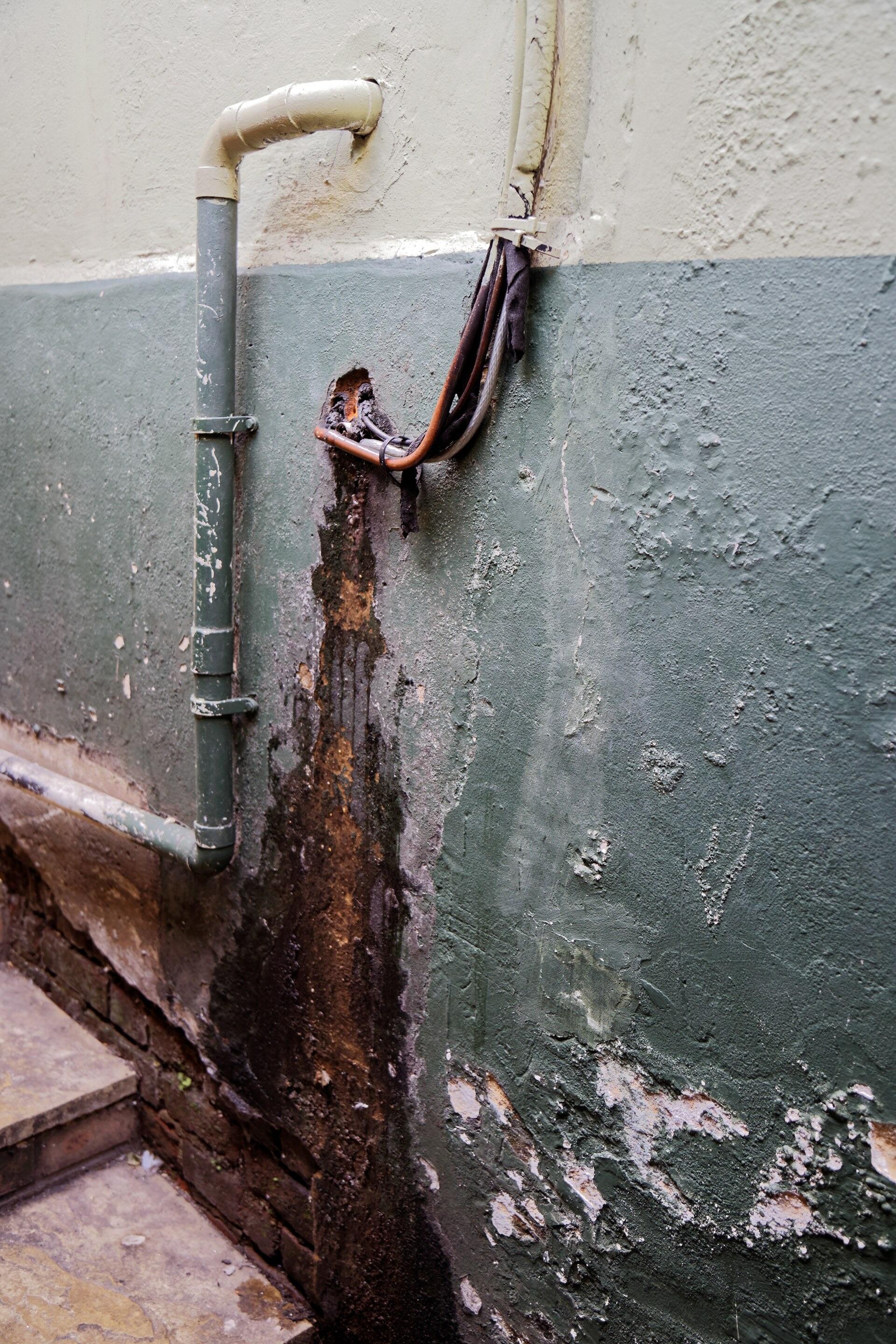
Paint blistering and staining from moisture moving through a masonry wall
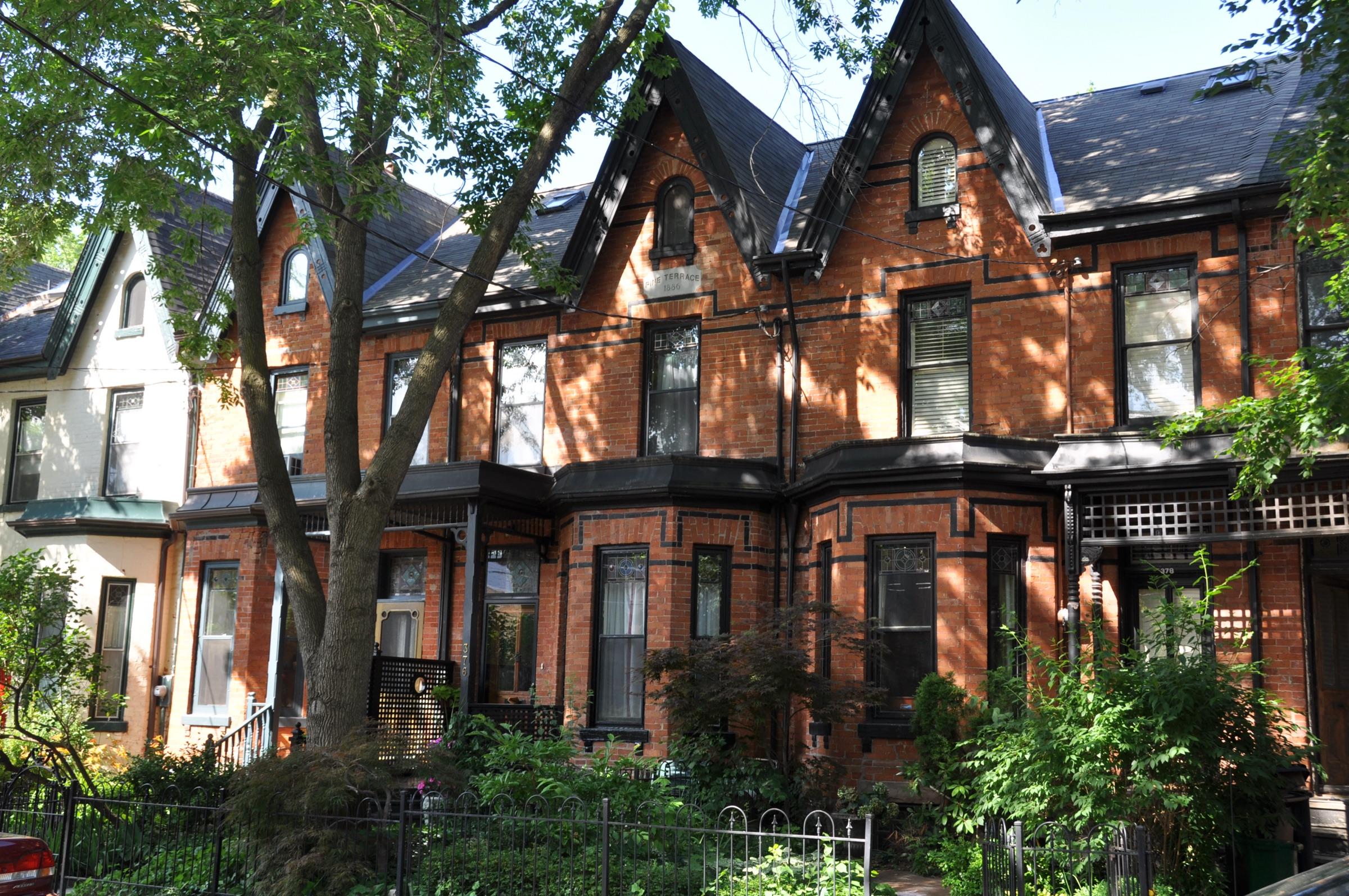
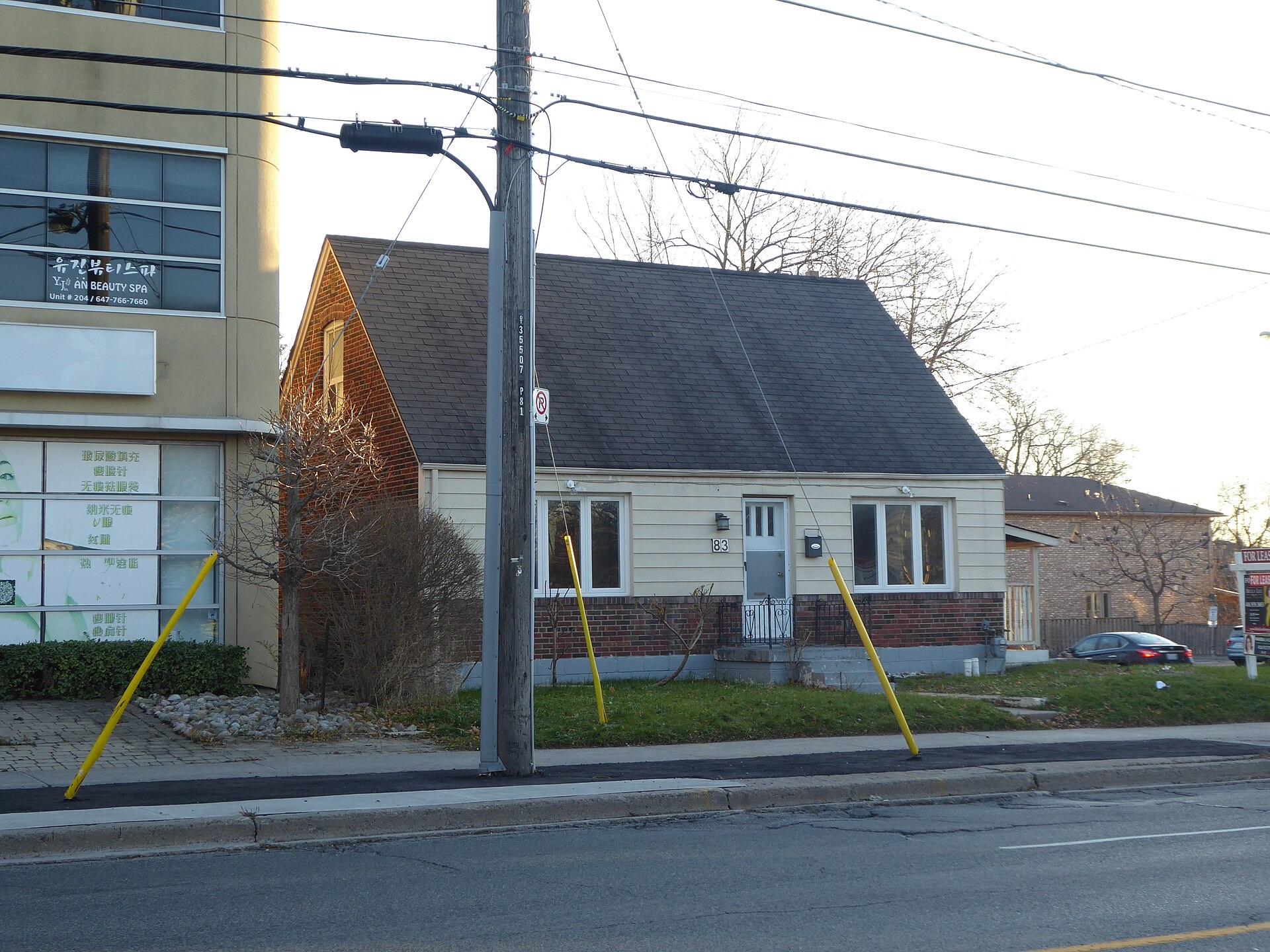
W1Access matters: narrow lots and attached walls change the options

Exterior waterproofing

Stop the water at the wall

Digging down to the foundation lets us inspect the wall, repair it, apply a membrane to the outside face and check the drainage at the footing. It is the most disruptive option and, on some houses, the most direct one.
W2

Interior waterproofing

Where outside access is limited, a row house or a tight side yard, water can be collected inside and sent to a sump. It manages water that has already reached the wall. We explain the difference before you choose.

Interior drainage, sealing, sump connection
W3

Foundation crack repair

Hairline shrinkage cracks, stair-step cracks in block and wide vertical cracks mean different things. We look at width, direction and movement before choosing a repair, and refer you to an engineer when a crack suggests structural movement.

Assess first, repair second
A gutter packed with leaves and shingle grit
W4Weeping tile, downspouts, grading

Drainage

Where the water goes after the wall

Weeping tile, downspout discharge, grading and eavestroughs decide how much water your foundation has to deal with. Plenty of wet basements are partly a drainage problem outside.

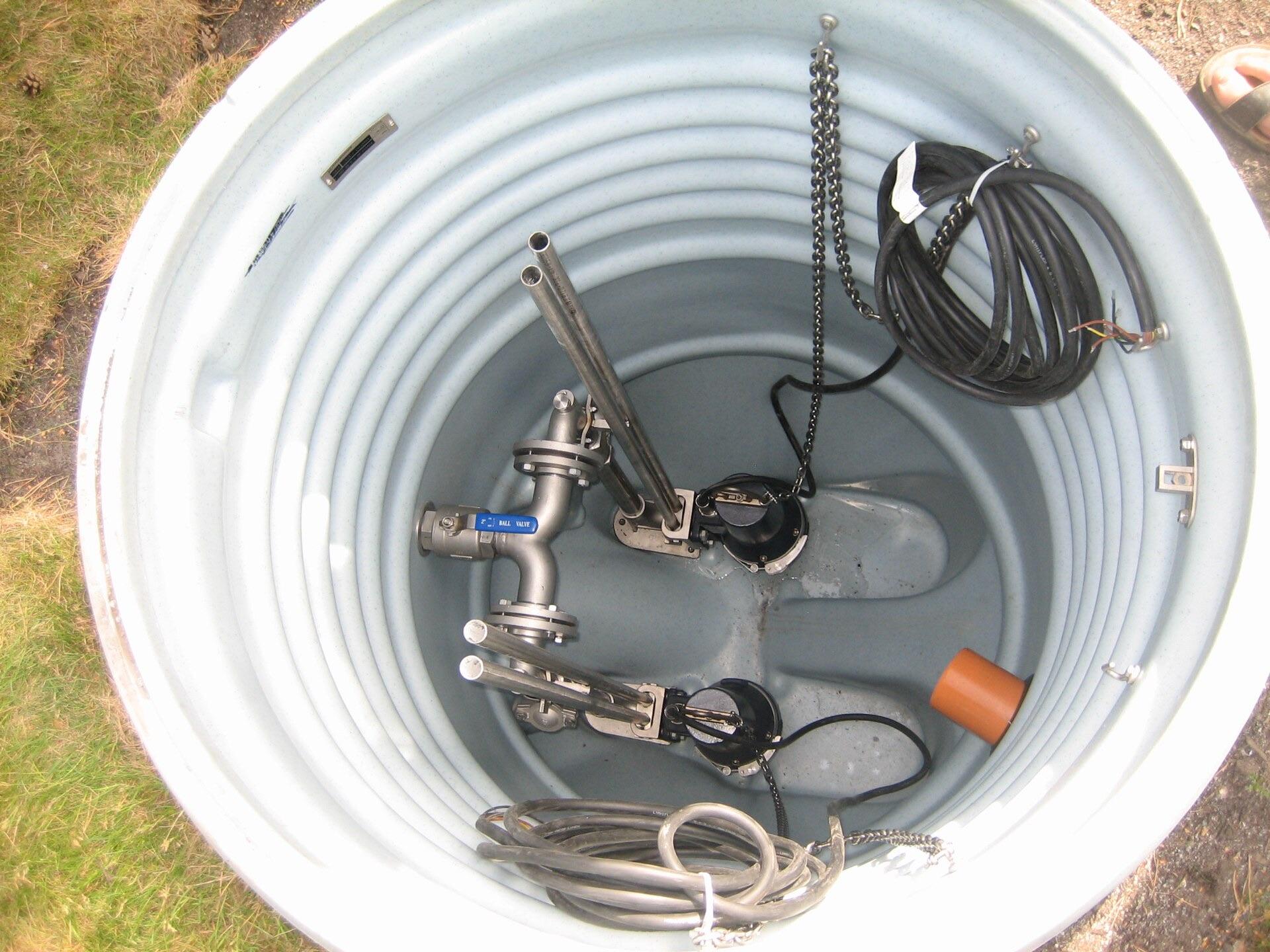
Looking down into a sump pit with the pump and float switch installed
W5Pit, pump, discharge

Sump pumps

Installation, replacement and backup

A sump pit collects water from the drain system and pumps it away from the house. We install and replace pumps and discuss backup options with you, since a pump that stops during a storm is not doing its job.

W6

Window wells

A window well that fills with rain delivers water to a basement window. Drains, covers and the right depth below the window are small fixes that matter.

Drain, cover, clearance
W7

Moisture control

Not all damp is leaking. Humidity, condensation on cold walls and poor ventilation can look like water coming in. We help you tell the difference before you spend money on the wrong fix.

Leak or condensation
SignsSix things worth noticing

Signs to watch forbefore it gets worse.

Basements rarely go from dry to flooded overnight. They give notice. Most of it is easy to see if you know where to look.

  1. A musty smell

    If the basement smells like damp even when nothing looks wet, there is moisture somewhere: behind drywall, in carpet, in the wall itself. Smell often shows up before stains do.

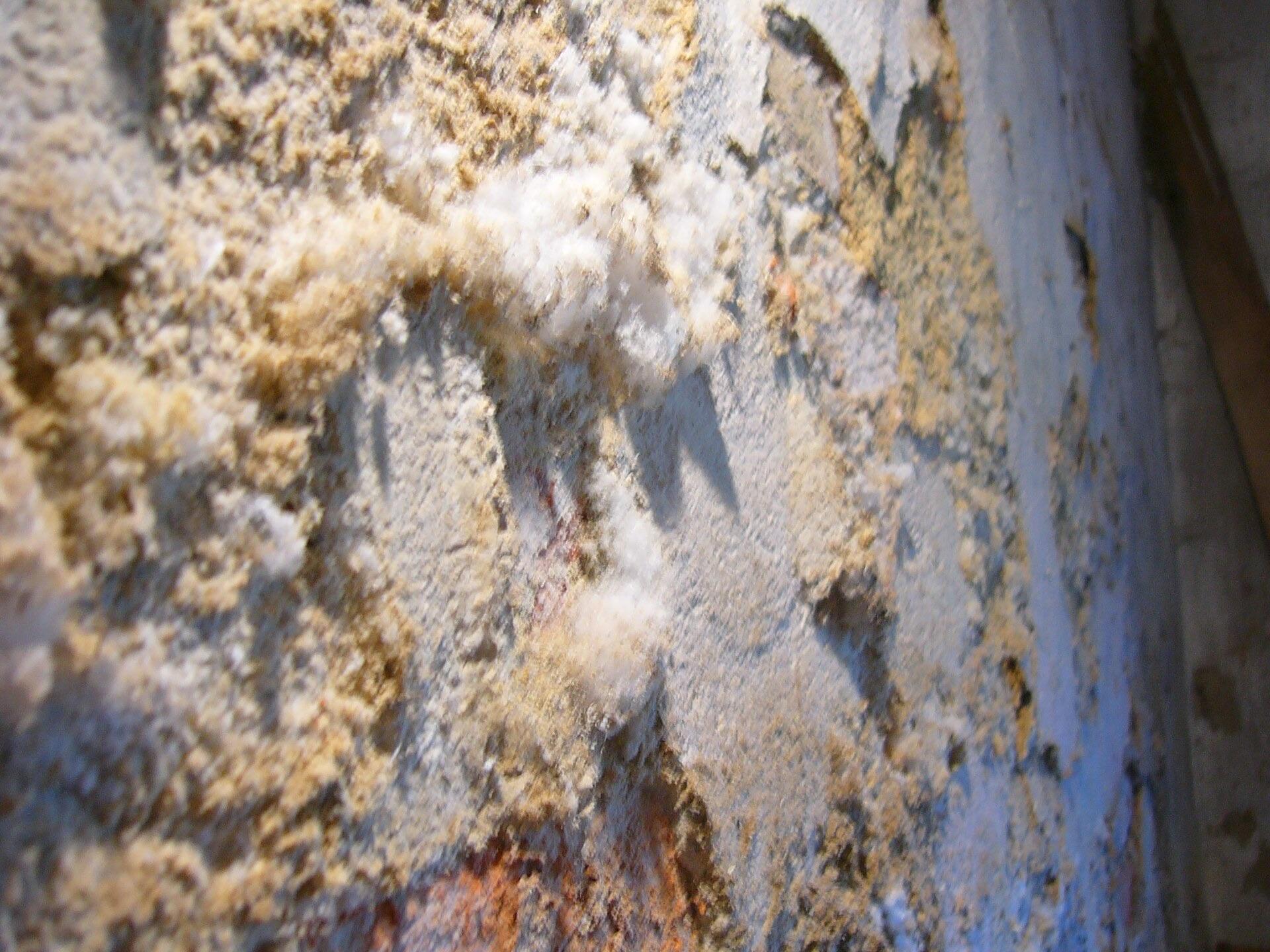
  2. Efflorescence

    White, chalky salt staining on concrete or block. It is left behind when water moves through the wall and evaporates at the surface. It does not mean the wall is leaking right now, but it does mean water has been through it.

    White efflorescence salts left on a wall by water passing through masonry
    Fig. 02. Stand-in photograph
  3. Cracks in the wall

    Look at how wide a crack is, which way it runs and whether there is staining along it. Many cracks are cosmetic. A crack that is growing, or wet, deserves a proper look.

  4. Damp drywall or paint

    Bubbling paint, soft drywall at the base of a wall, or a tide mark on finished surfaces. Water is wicking up from somewhere, whether the floor, the wall or a pipe.

    Paint blistering and staining from moisture moving through a masonry wall
    Fig. 04. Stand-in photograph
  5. Water at the wall and floor joint

    The joint where the wall meets the slab is a common entry point, because it is a built-in seam where water pressure pushes against concrete. Wet along the edge after rain points to groundwater.

  6. Water that returns after rain

    If the basement is dry for weeks and then wet after a storm or the spring thaw, the pattern is useful. Note the date, the weather and where the water showed up. It narrows the cause.

Where is the watercoming from?

A few questions, a section drawing, a plain-language read on what is commonly behind it and, where we can, a price range for the usual fix, sent to your email.

TOOL 02 / WATER DIAGNOSTICSTEP 01 / 03
Basement cross-section showing grade, soil, foundation wall, footing, slab, floor drain, window well and a crack.HEAVY RAINFROZEN GROUNDSNOWMELTWATER TABLEGRADESOILFOUNDATION WALLFOOTINGSLABFLOOR DRAINWINDOW WELLWEEPING TILECRACKBASEMENTSECTION A–A · NOT TO SCALE

FIG. 01 — Your answers highlight the drawing

Location

Where do you see the water?

What would waterproofing cost?

A rough range from typical Greater Toronto Area prices: low-end to high-end materials, mid-range labour. No email needed. Nothing you enter leaves this page unless you send it to us.

ROUGH ESTIMATE / GTA MARKET RATESNot a quote
WaterproofingMeasure the length of foundation wall that needs work. Leave at 0 if not needed.
ft

Membrane and new weeping tile from outside.

ft

Weeping tile along the footing, from inside.

Repairs and equipment
Cracks to seal
0
New sump pit and pump
0
Backwater valve
0
Window wells
0
Rough estimate

—

Add at least one item to see a range.

Rough estimate only, not a quote. Based on typical Greater Toronto Area prices for comparable work in 2026. Your price depends on what we find on site.

Add at least one item to see a range.
05Waterproofing projects

Wet basementswe have followed back.

Stand-in examples showing how a waterproofing project is documented. Real Reno the 6ix jobs replace these.

Sample projectsAll work
06 / FAQ

Wet basementquestions.

General answers. Every foundation is different, and we look at yours before recommending anything.
01

Why does my basement leak?

Water gets into a basement because there is water against the foundation and a path for it to follow. The sources are usually rain and snowmelt, poor grading, downspouts that discharge too close to the wall, or a drainage system at the footing that is blocked or failing. The paths are cracks, joints, tie holes and porous masonry. The right fix depends on which combination you have.

02

Is exterior or interior waterproofing better?

Neither is better in every case. Exterior work addresses water at the wall, but needs access and excavation. Interior work manages water that has already reached the wall, and can be the practical choice on a row house or narrow lot. We will explain what each does and does not do for your house.

03

What is the white powder on my basement wall?

That is efflorescence: mineral salts left behind when water passes through concrete, block or brick and evaporates at the surface. It tells you water has moved through the wall. It does not by itself tell you how much, or whether it is still happening.

04

Are foundation cracks serious?

Many are not, but some are. Width, direction, staining and whether the crack is changing all matter. A fine, dry, vertical crack is a different problem from a wide stair-step crack in block. If a crack points to structural movement, we will recommend an engineer rather than guess.

05

Do I need a sump pump?

If water is collected by a drain system at your footing, it needs somewhere to go, and a sump pump is one way to do that. Whether you need one depends on how your house drains. Some houses already drain to a storm sewer or have an existing pit. We check what you have before suggesting anything new.

06

Can I finish my basement before fixing the water?

We would not recommend it. Finished walls and floors hide moisture and make later repairs more expensive. Find the source, fix it, then finish the space.

07

Is my basement damp from leaks or condensation?

They can look alike. One test is to tape a square of plastic wrap to the wall for a day or two. If the moisture forms on the room side, it is condensation. If it forms behind the plastic, the wall is passing moisture. Neither result replaces an inspection, but it helps us start in the right place.

07 / Next

Diagnose yourwater problem.

Answer a few questions about where and when the water shows up, and the diagnostic will point to likely causes. It is a starting point for the conversation, not a verdict.

Not a substitute for an inspection.